


Final faculty panel spotlights USC Law’s clinical programs
The final installment of the Spring Faculty Panel Series was held March 22, with six USC Law professors offering a snapshot of their respective clinical programs.

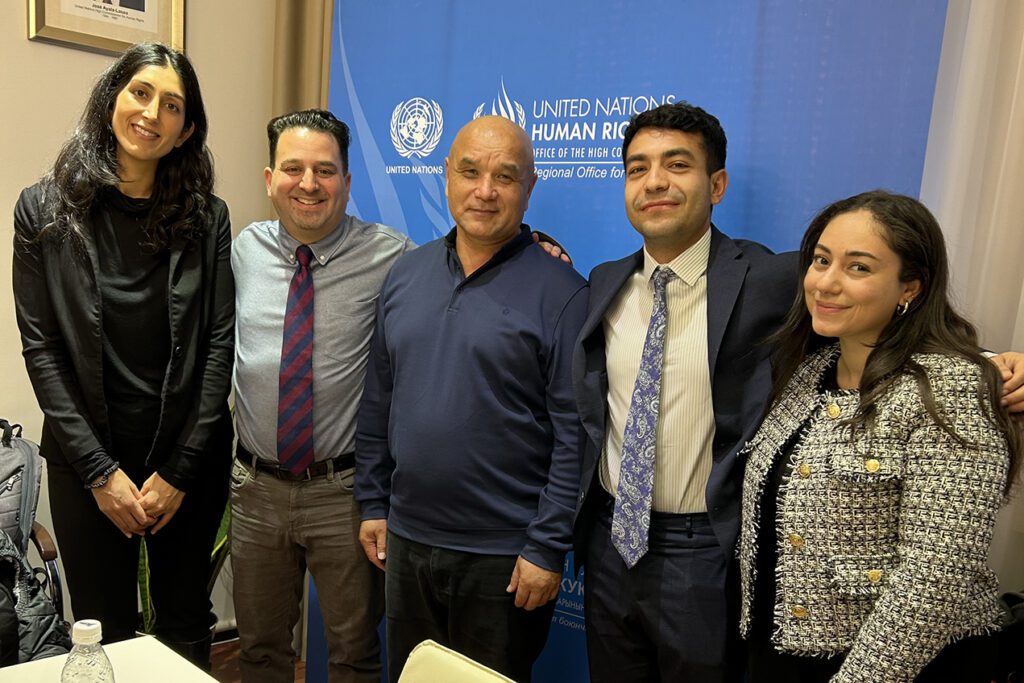
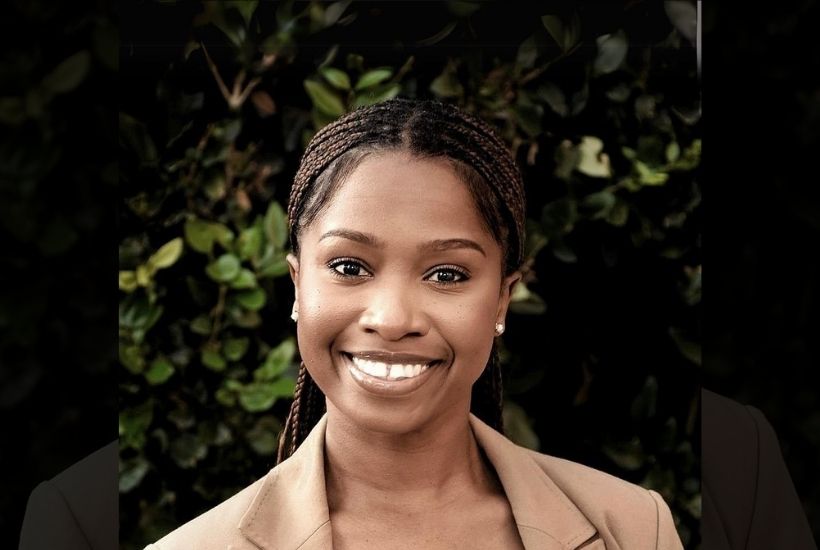
Hosted by the Dean of Students’ Office, the series was created this year to give students an opportunity to hear directly from professors — including Prof. Lee Campbell (above, left) and Prof. Martha Matthews (above, right) — about their area of law.
Below are some of the topics discussed by the panel. For questions or additional information, please e-mail the appropriate faculty member.
Domestic Violence Clinic
Click here for the March 21 story on public interest, policy and politics Click here for the Feb. 28 story on Supreme Court clerkships Click here for the Feb. 14 story on criminal practice and civil litigation Click here for the Feb. 7 story on tax and business law |
Martha Matthews, director, mmathews@law.usc.edu
Sonia Yagura, clinical instructor, syagura@law.usc.edu
Directed by Professor Martha Matthews and Clinical Instructor Sonia Yagura, the Domestic Violence Clinic represents low-income women whose domestic violence cases involve issues of child welfare, such as custody and visitation. Clinic cases often involve coordinating between the family court and juvenile court systems, reconciling the goals of safety and empowerment for battered women, and protecting children from abuse, neglect and the harmful effects of exposure to domestic violence.
Because most of their cases focus on filing petitions for restraining orders, students have the chance to “do a short and simplified version of civil trial preparation,” according to Matthews. The Domestic Violence Clinic enrolls six to 10 students per semester.
Children’s Legal Issues Clinic
Lee Campbell, director, lcampbel@law.usc.edu
The Children’s Legal Issues Clinic is a two-semester course directed by Professor Lee Campbell. About four to six students each year work closely with Public Counsel, a Los Angeles public interest agency, in assisting clients with a range of civil cases involving children, such as school disciplinary hearings and guardianships.
“We may represent an aunt and uncle who want to take custody of their nieces because one parent is incarcerated and the other has disappeared,” said Campbell.
Students also participate in Adoption Day, a biannual program in which dozens of Children’s Court judges spend a Saturday in court, presiding over the formal adoptions of foster children. The clinic provides free legal assistance to the families, helping them complete paperwork and negotiating the appropriate package of benefits for each child.
Employer Legal Advice Clinic
Noel Ragsdale, director, nragsdal@law.usc.edu
The Employer Legal Advice Clinic, directed by Professor Noel Ragsdale, does no litigation work. Instead, eight students each year provide client counseling, offering legal advice and tools to nonprofit organizations. Projects range from developing employee handbooks to creating a sexual harassment training program.
Initially, the clinic worked with the USC Marshall School of Business to help small businesses regenerate after the 1992 L.A. riots. Over time, the client base evolved from “mom and pop” shops to nonprofits serving the Los Angeles community.
“It’s appropriate for us to be working with these types of organizations because none of them have the money set aside for ongoing overhead administrative issues,” Ragsdale said. “Almost all of their funds go directly to providing services. They don’t have a spare $20,000 to hire a lawyer for legal assistance.”
Immigration Clinic
Niels Frenzen, director, nfrenzen@law.usc.edu
Created in 2001, the Immigration Clinic primarily represents asylum seekers referred to the clinic by the Program for Torture Victims. According to Professor Niels Frenzen, most students have an opportunity to represent a client before the Immigration Court. Such proceedings involve administrative trials before an immigration judge where the government is represented by a prosecutor with the Department of Homeland Security.
The clinic usually operates with eight students per academic year and normally has 50-70 open cases. Recently, the clinic helped gain the release of four Iranian brothers — the longest-held immigration detainees since 9/11 — from more than three years’ custody after a court determined that they are not members of a group that the government claimed was a terrorist organization. The case, however, is moving forward on appeal.
Intellectual Property and Technology Law Clinic
Jennifer Urban, director, jurban@law.usc.edu
Launched in January 2005, the Intellectual Property and Technology Law Clinic is the youngest USC Law clinical program. Current clients include largely non-profit institutions; future clients are likely to include “starving artists” and other individuals as well. The clinic’s team-based projects this semester involve copyright counseling, filing amicus briefs, and creating a patent license system for a nonprofit.
“There is a wide range of projects,” says Professor Jennifer Urban, “but all of our work is related to protecting the public interest in IP law in the face of rapidly changing technology.”
Post-Conviction Justice Project
Michael Brennan, co-director, mbrennan@law.usc.edu
Carrie Hempel, co-director, chempel@law.usc.edu
USC’s longest-running clinic, the Post-Conviction Justice Project today predominantly represents inmates at the California Institution for Women. About 20 students work in the clinic each year, and nearly each one has the opportunity to represent a client who has been convicted of murder in a parole hearing before the state’s Board of Prison Terms.
The clinic has successfully represented 10 clients in parole hearings over the last five years, according to Professor Carrie Hempel. Students also draft habeas petitions on behalf of battered women who were convicted of murder for killing their abuser, and for others whose parole dates have been reversed by the Governor.